Mysterious space object near the Sun puzzles scientists: Is it a Soviet probe
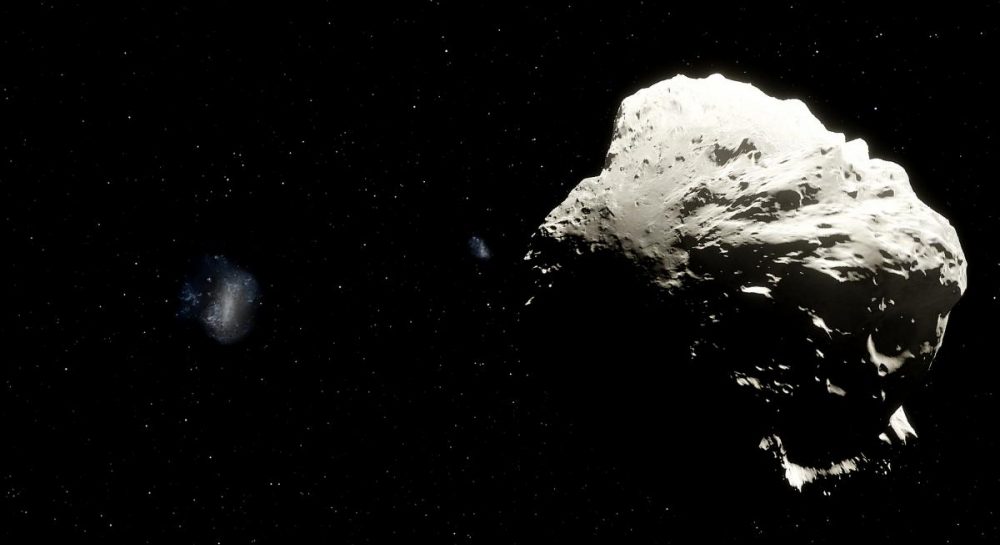
Scientists have spent decades trying to determine the origin of the 11-meter object 1998 KY26 orbiting the Sun. Hypotheses include an asteroid, a comet, or a lost Soviet spacecraft.
 💡Tech
Photo: UNIAN
Key points
- Object 1998 KY26, about 11 meters in diameter, orbits the Sun.
- Scientists are considering hypotheses of an asteroid, a comet, or the Soviet probe Phobos-1.
- The Japanese Hayabusa2 mission, meant to study the object, changed its route due to engine problems.
The astronomical community has long debated the nature and origin of a small celestial body cataloged as 1998 KY26. This object, measuring about 11 meters in diameter, orbits our star, yet its trajectory and movement characteristics defy standard laws applicable to conventional asteroids.
Hypotheses: From a man-made probe to a dark comet
Initially, researchers classified the body as a typical asteroid. However, subsequent observations revealed non-gravitational acceleration—meaning forces other than gravity are acting on the object, which is uncommon for simple space rocks. Renowned Harvard astrophysicist Avi Loeb suggested that 1998 KY26 is actually Phobos-1, an unmanned Soviet spacecraft launched on July 7, 1988, to study Mars, with which communication was eventually lost.
Another scientific theory views the body as a "dark comet" lacking a traditional bright tail. The mechanism of subsurface ice sublimation could potentially explain the unusual acceleration. At the same time, a recent study published in the journal Icarus challenges this version due to the object's excessively high average temperature, which hovers around 11 degrees Celsius.
Canceled mission and future research
Definite answers could have been provided by Japan's Hayabusa2 spacecraft, which was scheduled to reach 1998 KY26 by 2031. However, due to engine issues, the Japan Aerospace Exploration Agency (JAXA) redirected the probe to a different asteroid, leaving the mystery of the enigmatic object unsolved for now.
Source UNIAN — unian.ua/curiosities/asterojid-1998-ky26-obertayetsya-navkolo-soncy… ↗
Read next
 👥Society
Animal rescue during war: Dog and cat saved after Russian strike in Dymer
A resident of a destroyed apartment building in Dymer, Kyiv region, was evacuated along with his dog, and his cat was found safe the next morning.
 🎓Education
Enemy Drone Attack on Lozova in Kharkiv Region: Casualties and Fires Reported
Russian forces launched UAV strikes on the town of Lozova in the Kharkiv region, injuring people and causing fires in residential areas.
 🚨Events
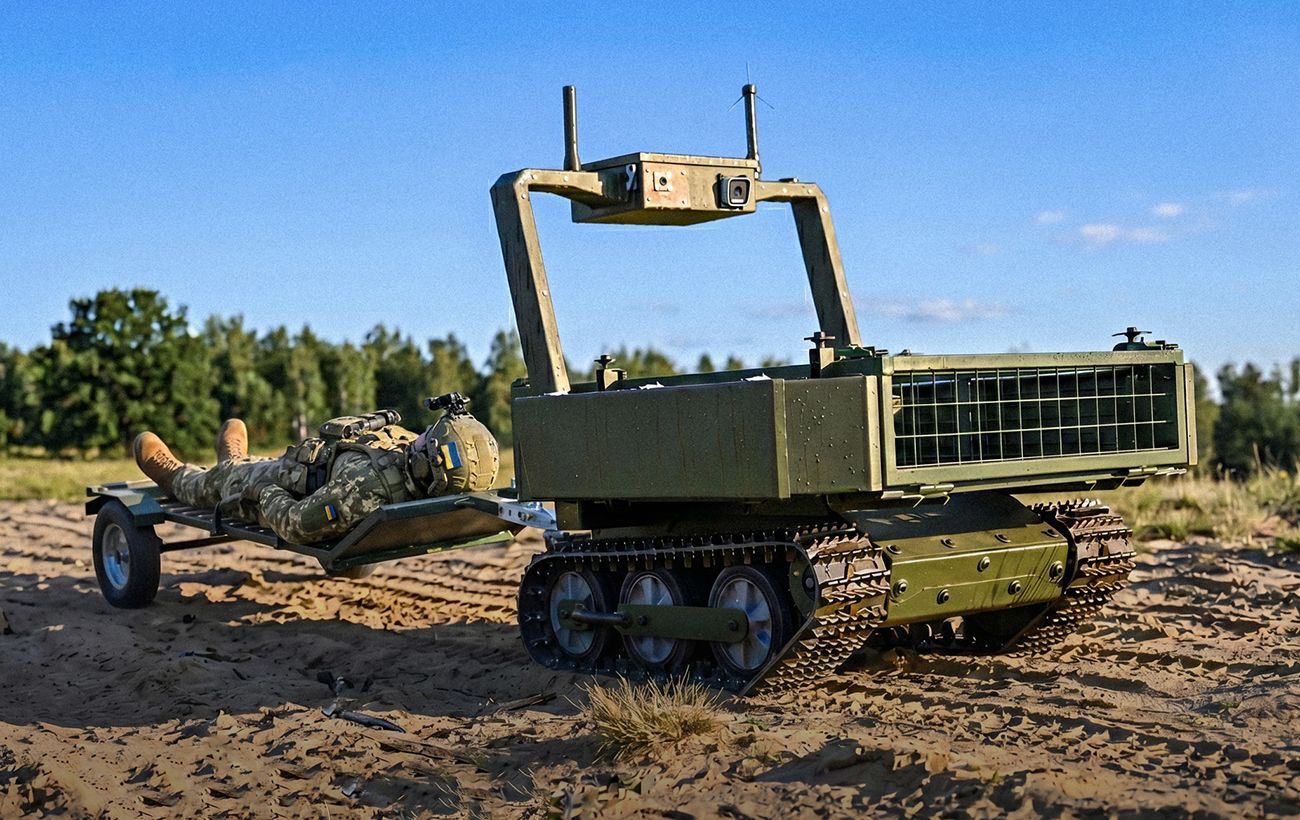
Ground Robots: Will UGVs Replace Armored Vehicles on the Frontline
Unmanned systems manufacturers state that ground robotic complexes will not completely replace armored vehicles on the frontline, but they are already significantly chang…
 🚨Events
Russian Submarines Venture into Open Sea for First Time in Six Months to Launch Kalibr Missiles
Black Sea Fleet submarines left the Novorossiysk bay for the first time in half a year during a combined attack against Ukraine.
 🚨Events
Financial Trends of the Week: PrivatBank Updates Exchange Rates
On Monday, November 23, major Ukrainian banks recorded a slight decrease in foreign currency rates, specifically for the US dollar and the euro.
 🚨Events
Large-scale fire in a Romanian hotel: 150 people evacuated
A major fire broke out at the Alpin Hotel in the resort area of Poiana Brașov, prompting the prompt evacuation of 150 people.